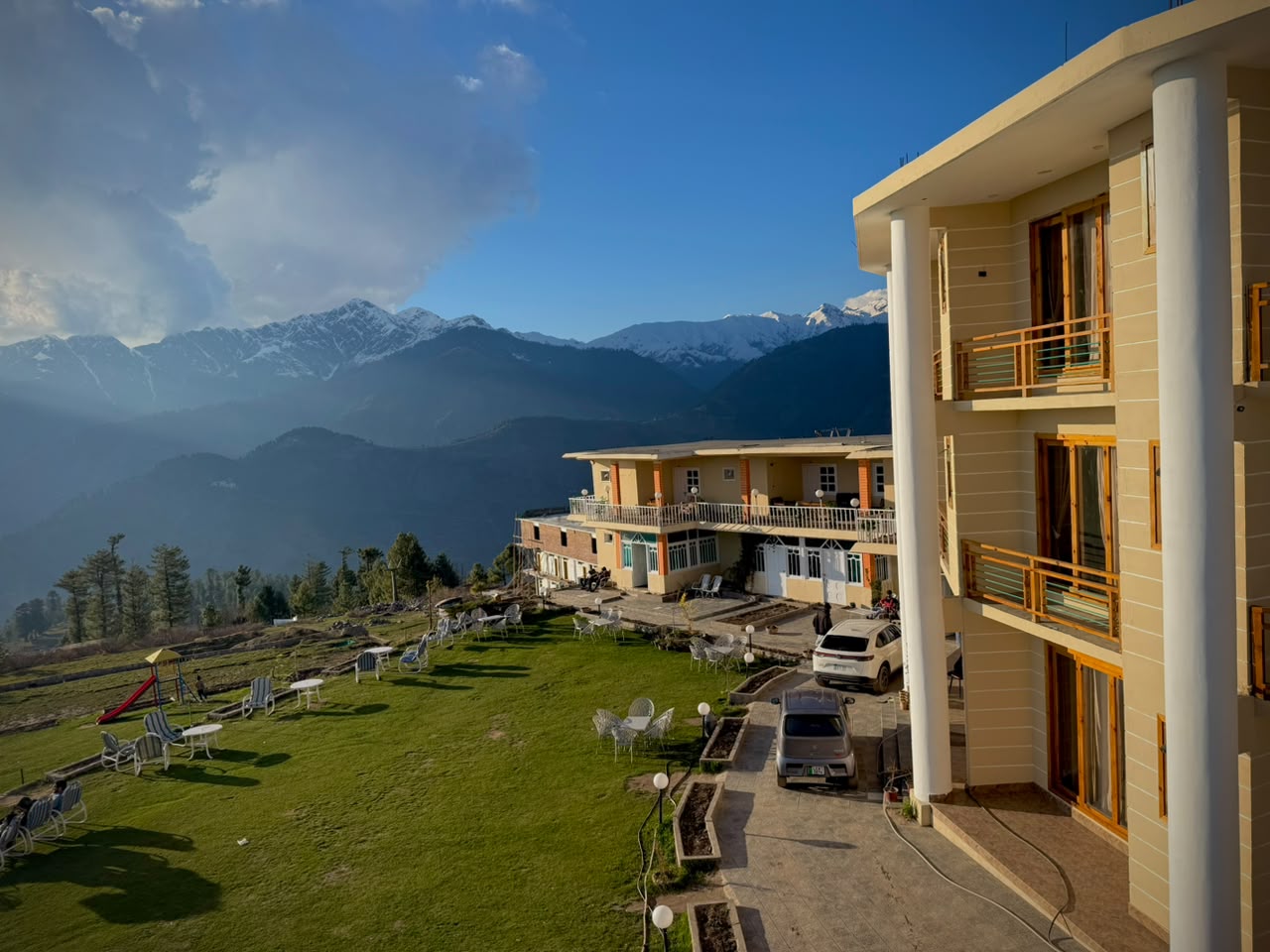

Perched high on a ridge at 7,749 feet (2,362 meters) in the Western Himalayas, Shogran experiences dramatic climate shifts throughout the year. From idyllic wildflower summers where temperatures rarely exceed 25°C to fairytale winter wonderland months when four feet of powdery snow covers the deodar forest, knowing what weather to expect is essential for packing and planning. In this detailed guide, we provide a complete month-by-month temperature breakdown, snowfall predictions, and tips on enjoying year-round luxury at Oro Shogran.
- Summer High
- 22°C to 26°C (June – July)
- Winter Low
- -8°C to -4°C (January – February)
- Snow Depth
- 2 to 4 feet in peak winter
- Best Photography
- September to October (Clear Skies)
Shogran Climate Overview: High Alpine Weather at 7,749 Feet
Due to its high elevation, Shogran stays consistently 10°C to 15°C cooler than Islamabad and Lahore throughout the year. Even during the peak heat of June and July, daytime mountain breezes keep the plateau pleasantly cool, while nights demand a light jacket or shawl.
The air is crisp, dry, and pure, with minimal humidity outside of occasional afternoon monsoon rain showers in late July and August.
Winter descends rapidly starting in November, bringing sub-zero temperatures and transformed landscapes ideal for snow sports, bonfires, and romantic mountain retreats.
Spring & Summer (May to August): Wildflower Meadows & Cool Mountain Air
May to June: Spring brings melting snows, gushing mountain streams, and blooming yellow buttercups. Daytime temperatures average 18°C to 24°C, making it paradise for hikers and families.
July to August: Peak summer tourism season. While the plains of Punjab and Sindh swelter above 42°C, Shogran remains comfortably mild at 20°C to 25°C. Occasional afternoon rain showers bring dramatic cloud formations and vibrant rainbows arching across Musa ka Musalla.
Outdoor activities like horse riding, forest trekking, and dining on the open lawns of Oro Shogran are at their absolute best during these months.
Golden Autumn (September to November): Crisp Mornings & Golden Pines
September is widely considered by photographers and seasoned travelers to be the finest month in Kaghan Valley. Monsoon clouds disappear, leaving crystal-clear azure skies and panoramic visibility extending dozens of kilometers.
October brings golden autumn foliage. Deodar needles take on rich amber hues, tourist crowds thin out completely, and daytime temperatures hover around 16°C with crisp 6°C nights.
November marks the onset of frost. Mornings are bright and chilly, and the first dusting of snow typically appears on Makra Peak and the upper slopes of Siri Paye.
Winter Snowfall Season (December to March): Snow Depths & Frozen Fairy Tales
When does it snow in Shogran? The first significant snowfall typically arrives between mid-December and early January, blanketing the village in 2 to 4 feet of pristine white snow.
During peak snowfall season (January and February), temperatures regularly drop to -4°C to -8°C at night. The pine trees look like frosted sugar sculptures, and the quiet of the mountain is absolute.
Access during heavy snow is strictly via chain-equipped 4x4 jeeps from Kiwai. Oro Shogran keeps its suites fully heated with high-wattage electric mattress warmers, continuous hot water, and blazing courtyard bonfires, allowing guests to experience the snow in five-star luxury.
Month-by-Month Temperature and Rainfall Guide
January: -5°C to 5°C (Heavy Snowfall, Winter Wonderland)
February: -4°C to 7°C (Peak Snow Cover, Ice & Frost)
March: 2°C to 12°C (Snow Melting, Early Spring Thaw)
April: 8°C to 18°C (Cool, Green Grass Emerging)
May: 12°C to 22°C (Pleasant Spring, Wildflowers in Bloom)
June: 15°C to 26°C (Warm Days, Cool Evenings, Peak Tourism)
July: 16°C to 25°C (Mild, Occasional Monsoon Showers)
August: 15°C to 24°C (Lush Greenery, Crisp Breeze)
September: 11°C to 21°C (Clear Skies, Best Photography)
October: 6°C to 17°C (Golden Autumn Foliage, Crisp Days)
November: 1°C to 12°C (Frosty Mornings, Light Early Snow on Peaks)
December: -3°C to 7°C (First Heavy Snowfall, Festive Fires)
What to Wear & Winter Heating Infrastructure at Oro Shogran
Packing Guide: In summer, pack light cotton shirts for daytime, accompanied by a fleece jacket or hoodie for evenings. For winter trips (December to March), thermal base layers, waterproof snow boots, wool socks, insulated gloves, and a heavy down jacket are essential.
Why Accommodation Matters: Cold mountain nights can become uncomfortable without proper heating. Oro Shogran is purpose-built for all seasons: featuring high-grade room thermal insulation, dual electric bed warmers, 24/7 instant hot water geysers, and commercial generator power.
“Whether dusted in four feet of winter powder or bathed in the golden sunshine of June, Shogran's mountain weather will take your breath away.”
Getting here
The most reliable route is Islamabad → Abbottabad → Balakot → Kiwai, then a 4x4 transfer up to Shogran. Total drive time is six to seven hours in fair weather, longer in July and August rain.
Do not attempt the Kiwai–Shogran road in a sedan. It is a proper mountain track — beautiful, but honest about what it requires.
When to book
For a room in July or August, book at least eight weeks ahead. For September, four is usually enough. Winter (December–February) is our quietest, most cinematic season and, ironically, easiest to reserve.
Long weekends around Eid and Independence Day fill first — often three months out.
Money, signal, and small logistics
Cash still matters in the upper valley. Draw what you need in Balakot; the last reliable ATM before the retreat is there. We accept card, but many of the small stalls and guides do not.
Buy a Jazz or Zong SIM in Islamabad if you plan to stay in touch — Ufone and Telenor coverage above Kiwai is patchy. The retreat's Wi-Fi is honest but not fast; treat it as email, not video.
Bring a small first-aid kit — plasters, paracetamol, an anti-histamine, altitude-friendly rehydration salts. We keep a full kit at the desk, but you will want yours in your daypack.
What to plan, what to leave open
Plan your arrival, your first dinner, and one anchor experience — a jeep to Siri Paye, a guided walk, a long lunch. Leave the rest of the days empty on purpose.
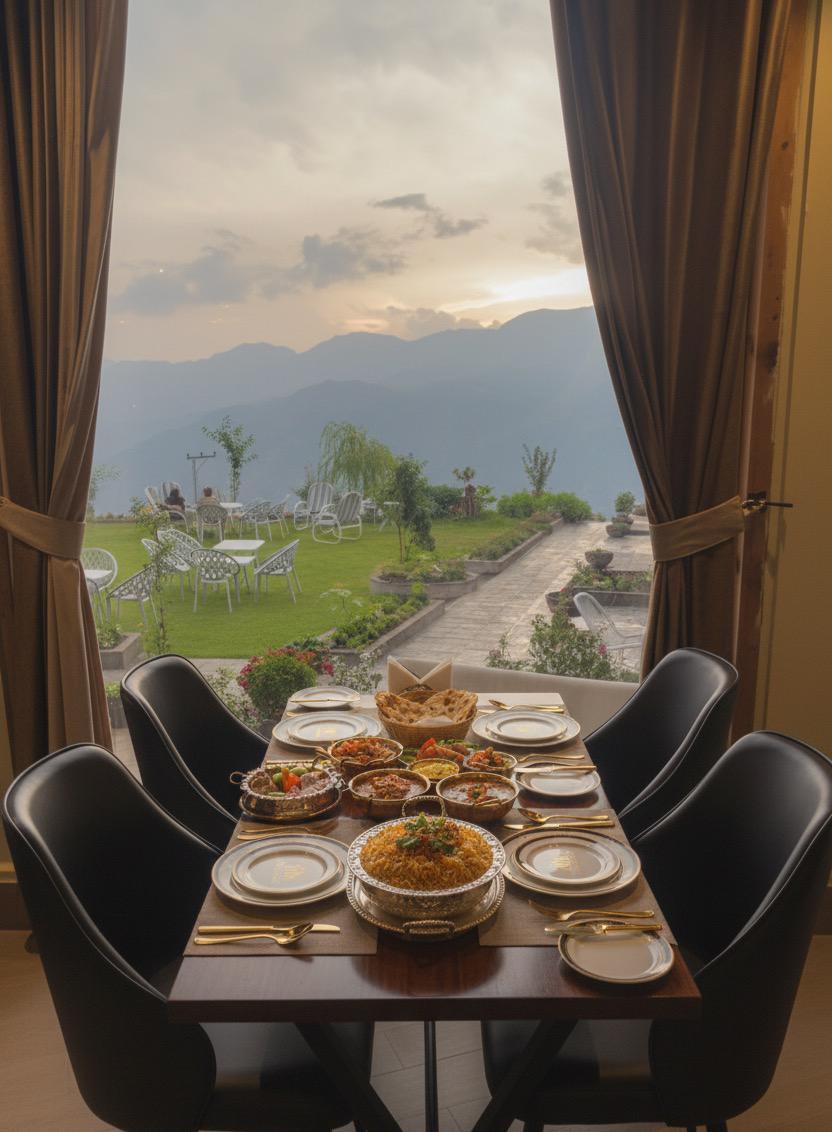
Some of the best afternoons at Oro Shogran are the ones nobody scheduled: a nap, a slow book, an hour in the garden, dinner where it wasn't supposed to be.
— In closing
A last thought before you go
No matter which month you choose to visit, Shogran offers an unforgettable encounter with nature's grandeur.
Check our seasonal packages at Oro Shogran and book your mountain holiday with guaranteed heated comfort.
— Frequently asked
Questions guests often ask
- Which month has the best weather in Shogran?
- For green meadows and pleasant walking weather, June and September are considered the best months. For snow lovers and winter photography, January and February offer the most magical snow landscapes.
- Does it snow in Shogran in November?
- Light snow often dusts the higher peaks of Makra and Siri Paye in late November, but heavy snowfall on the main Shogran plateau typically starts from mid-December onwards.
- What should I wear in Shogran during summer?
- Daytime is comfortable in regular light clothes, but always carry a light jacket, sweater, or fleece pullover, as temperatures drop rapidly after sunset.
- Are hotels open in Shogran during winter snowfall?
- While many small seasonal budget motels shut down in winter, Oro Shogran remains open year-round with comprehensive winter heating, electric blankets, and generator backup.
— Further reading
If you liked this piece
Mazhar Khan writes from the retreat about mountain travel, food, and the small rituals of hospitality in the Kaghan Valley.